Mold Removal in Virginia City, NV
Virginia City hangs on the east face of Mount Davidson at 6,106 feet, 1,400 feet higher than Carson City, and it has been there since the Comstock Lode was found in 1859. The Great Fire of October 26, 1875 burned most of the town, and what stands now is the brick and wood rebuild of the late 1870s, preserved well enough to be a National Historic Landmark since 1961. About 790 people live in it year-round.
Altitude changes the water. Virginia City gets more than 46 inches of snow a year, with 13 inches in an average January, and the buildings sit on a steep slope where every roof drains onto the lot below. The 1870s brick buildings have stone cellars cut into the hillside that take snowmelt from the uphill side all spring, and the wood-frame houses on the side streets have shallow crawl spaces under floors that have been cold and damp for 150 winters.
Call this site from Virginia City and you reach an independent mold provider who serves the Comstock. The provider handles the visit, the plan, and the work. This site only makes the connection.
Virginia City mold, uphill and downhill
A hillside cellar or crawl space that takes snowmelt every spring is crawl space mold remediation, and in an 1870s building the crew is cleaning stone and old timber rather than replacing it. Ice dams on the steep roofs put water into attics and top-floor walls, which is attic mold remediation and mold removal. Any rebuild in the historic district has to match what was there, and the exterior side of that goes through the Comstock Historic District Commission.
Where to call in Virginia City
Storey County is the permit authority here, with its offices in the 1876 courthouse on B Street. The Fourth Ward School, a four-story wood building from 1876 at the south end of C Street, is the clearest example in town of how the old construction handles 150 years of snow, and its museum keeps the building records for the district.
Call (775) 242-6705 to be connected with a local mold provider serving Virginia City.
Services Available in Virginia City
Mold Removal
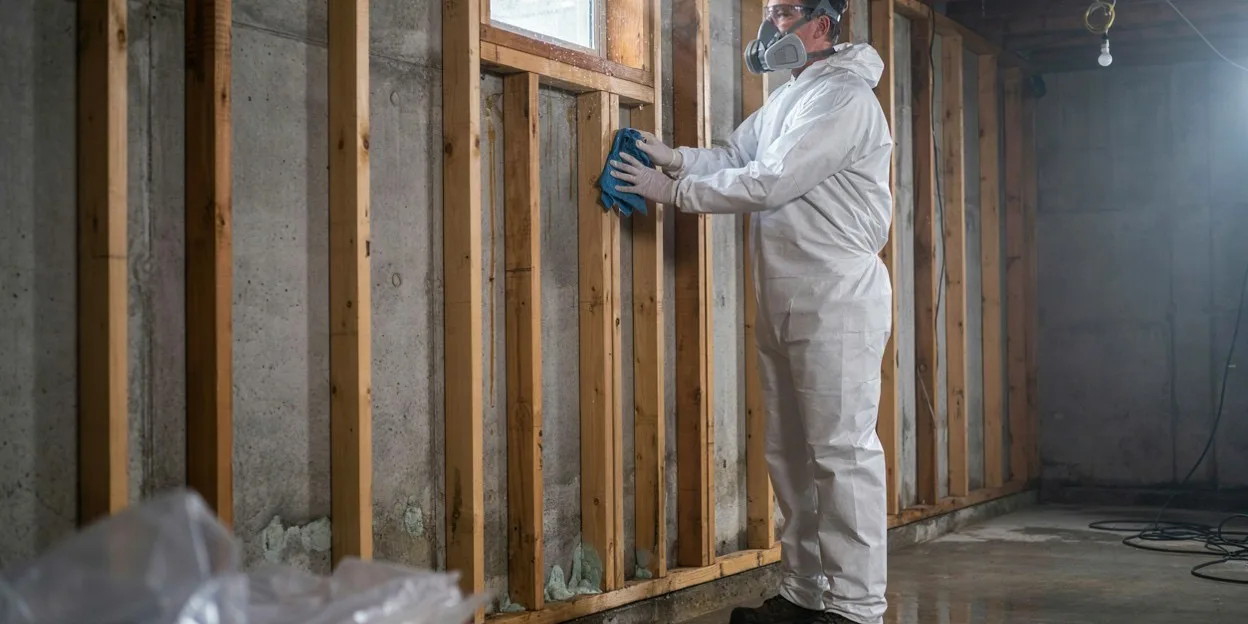
Containment, negative air, and HEPA filtration while wet drywall, trim, and insulation come out, then cleaning and drying down to the framing.
Black Mold Removal
Dark growth on a wet wall or crawl space beam, handled under full containment. Color does not name the species, and the process is the same.
Whole-Home Mold Remediation
Room-by-room containment and removal after a burst pipe, a long roof leak, or a house that sat closed and wet through a Carson City winter.
Crawl Space Mold Remediation
Joists, subfloor, and insulation under the house cleaned or removed, with the snowmelt, plumbing, or drainage source fixed before it is closed up.
Bathroom Mold Removal
Growth in ceilings, drywall, and behind vanities from steam and slow leaks, the most common first call from older Carson City homes.
Attic Mold Remediation
Roof-deck and rafter mold from ice dams, swamp cooler lines, and warm indoor air hitting a cold roof, cleaned and the cause corrected.
Mold Damage Repair
Drywall, baseboard, subfloor, and cabinet bottoms put back after removal, only once the framing reads dry and the leak is stopped.
Mold Odor Removal
Finding and removing the damp material behind a musty smell that outlasted cleaning, then treating surfaces and air so it stays gone.